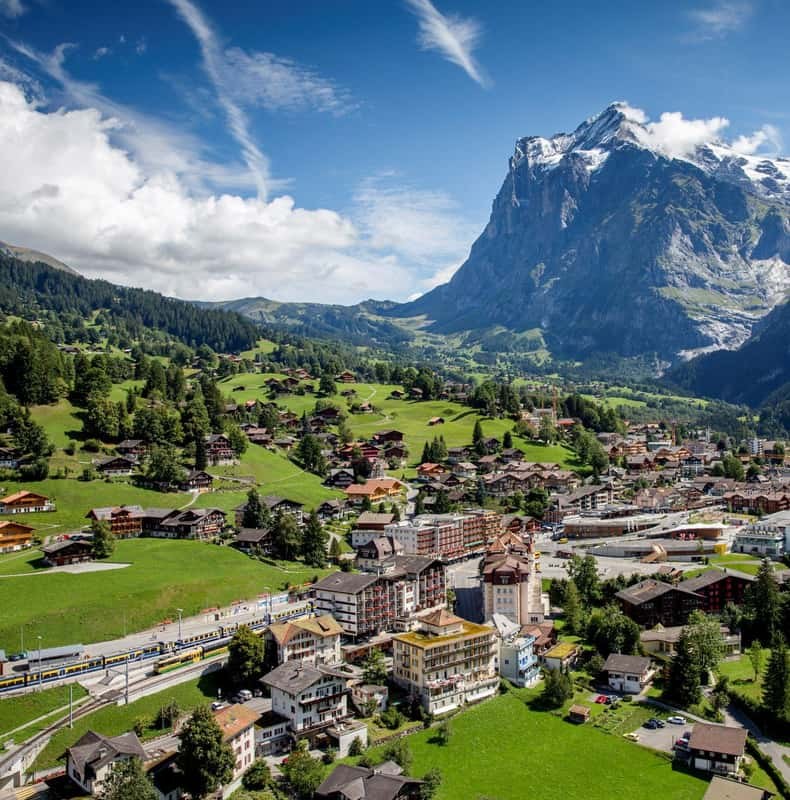
Interlaken, Grindelwald & Lauterbrunnen Glass Roof Bus Tour
Twelve hours under a glass roof, boarding in Lausanne, with free time in three places and no lifts in the fare.
From $131 per person
Check AvailabilityIn the Swiss Alps you plan for two climates on the same day: the valley and the summit. A warm morning in Interlaken can be well below freezing at the Jungfraujoch. If you are choosing a Swiss Alps tour, read the month you travel first. Then check the forecast the day before, when you can still cancel for free.
Rain rarely stops the trains and lifts. Cloud is the real problem: it can hide the view at the top completely, and a tour does not refund your fare because of it. The summit visits on the tours are weather permitting, and every tour here can be cancelled free up to 24 hours ahead. So watch the forecast, and move the day if it looks grey.
The figures below come from MeteoSwiss, the Swiss weather service, averaged over 1991 to 2020. The valley figures are for Interlaken, at 577 m. The summit figures are for the Jungfraujoch weather station, next to the railway at the top.
Interlaken averages 0.1 °C with 71 mm of rain and 67 hours of sun. At the Jungfraujoch, highs of −9.5 °C and lows of −15.5 °C. Clear, cold days suit the summits: the Jungfraujoch gets almost twice the sun of the valley. Trümmelbach Falls is closed until April.
Interlaken averages 1.1 °C with 67 mm of rain and 82 hours of sun. At the Jungfraujoch, highs of −10.2 °C and lows of −16.3 °C. The coldest month at the top. Dress for the summit when you leave the valley, because nobody rents warm clothes up there.
Interlaken averages 5.3 °C with 73 mm of rain and 129 hours of sun. At the Jungfraujoch, highs of −8.6 °C and lows of −14.4 °C. Days lengthen and the sun comes back to the valley floor. Snow still covers the high trails, so plan on lifts, not hikes.
Interlaken averages 9.3 °C with 82 mm of rain and 164 hours of sun. At the Jungfraujoch, highs of −6.3 °C and lows of −12 °C. Trümmelbach Falls opens at the beginning of the month. The valley greens up while the summits stay deep in snow.
Interlaken averages 13.4 °C with 122 mm of rain and 183 hours of sun. At the Jungfraujoch, highs of −2.1 °C and lows of −7.8 °C. The Eiger Express seat reservation becomes compulsory on 1 May, at CHF 10. Rain rises sharply this month in Interlaken.
Interlaken averages 17 °C with 127 mm of rain and 200 hours of sun. At the Jungfraujoch, highs of 1.7 °C and lows of −4 °C. Long days and more rain than May. Keep a spare day in your plan, so a cloudy summit day can move.
Interlaken averages 18.6 °C with 146 mm of rain and 223 hours of sun. At the Jungfraujoch, highs of 3.4 °C and lows of −2.1 °C. The warmest and sunniest month in Interlaken, and one of the two wettest. Trümmelbach Falls stays open until 18:00.
Interlaken averages 18.1 °C with 146 mm of rain and 199 hours of sun. At the Jungfraujoch, highs of 3.5 °C and lows of −1.7 °C. Warm and wet in the valley, and the mildest month at 3,454 m. Book summit days early, and keep a spare day for cloud.
Interlaken averages 14.2 °C with 94 mm of rain and 152 hours of sun. At the Jungfraujoch, highs of 0.5 °C and lows of −4.7 °C. Rain drops by a third from August, and the top still gets plenty of sun. A good month for the First and Bachalpsee hike.
Interlaken averages 9.7 °C with 80 mm of rain and 103 hours of sun. At the Jungfraujoch, highs of −2.1 °C and lows of −7.4 °C. Quieter trains and first snow on the peaks. The Eiger Express seat reservation rule ends on 31 October.
Interlaken averages 4.3 °C with 80 mm of rain and 68 hours of sun. At the Jungfraujoch, highs of −6.5 °C and lows of −11.8 °C. The Bernina Express runs a diversion until 13 November. Trümmelbach Falls closes in early November, and the Titlis Rotair stays shut.
Interlaken averages 0.9 °C with 91 mm of rain and 56 hours of sun. At the Jungfraujoch, highs of −8.7 °C and lows of −14.5 °C. The Titlis Rotair reopens on 11 December. The valley is darkest now, but the Jungfraujoch still gets about 101 hours of sun.
Pick summer for long days, open trails and the warmest summit, and pack for rain: July and August are the wettest months in Interlaken. Pick September for drier days and good walking. Pick winter for clear, cold summits, if you are happy to skip the hikes and the falls.
Some dates change what you can do, whatever the weather. Check this list against your travel dates.
| Date | What changes |
|---|---|
| Beginning of April | Trümmelbach Falls opens |
| 1 May to 31 October 2026 | Eiger Express seat reservation compulsory, CHF 10 |
| July and August | Trümmelbach open 8:30 to 18:00 |
| 17 August to 11 December 2026 | Titlis Rotair closed; Titlis Connect runs |
| 29 October to 13 November 2026 | Bernina Express diverted for engineering works |
| Early November | Trümmelbach Falls closes for the winter |
The Jungfraujoch day from Interlaken is about seven hours, so you can pick the day once you see the forecast, and cancel free up to 24 hours ahead.
Your tour sets the hour. The valley hike leaves Interlaken Ost at 7:30 a.m. and the valley walk at 8:30. The Schilthorn afternoon leaves at 1:00 p.m. On your own, remember the falls: Trümmelbach opens at 9:00, or 8:30 in July and August.
In winter, the summit is the sunnier place. Interlaken gets little sun from November to January, while the Jungfraujoch stands above the valley. In December and January the top gets almost twice the sun of Interlaken.
| Months | Interlaken sun, hours | Jungfraujoch sun, hours |
|---|---|---|
| December | 56 | 101 |
| January | 67 | 117 |
| February | 82 | 122 |
| July | 223 | 181 |
| August | 199 | 183 |
Twelve hours under a glass roof, boarding in Lausanne, with free time in three places and no lifts in the fare.
From $131 per person
Check Availability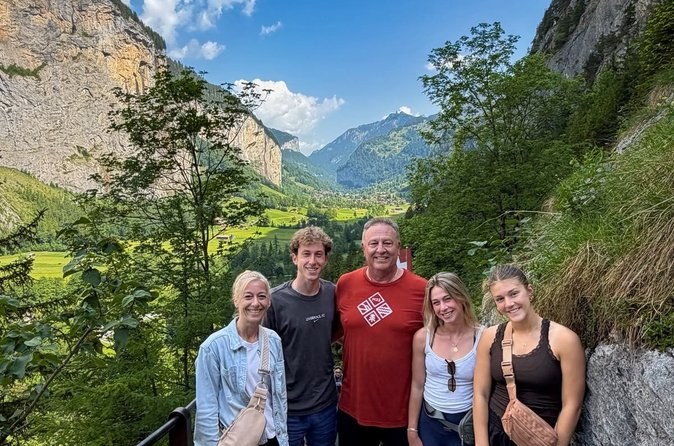
Five to six hours on the valley floor for up to eight, with the waterfall entry in the fare and CHF 25 of lifts on top.
From $283 per person
Check Availability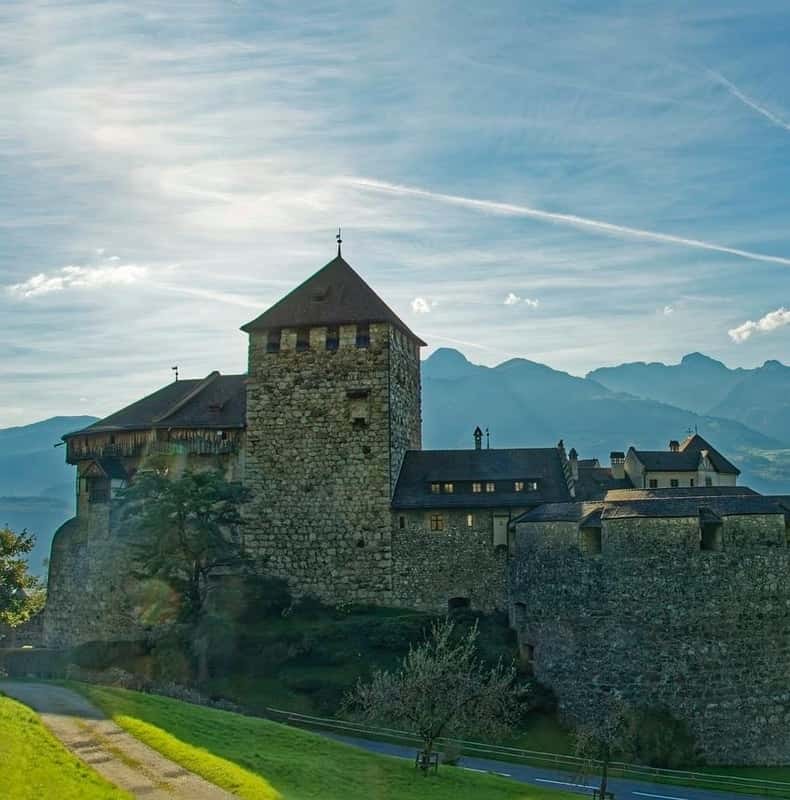
A private day from your Zurich hotel through four countries, with road tolls, parking and water in the fare.
From $301 per person
Check AvailabilityNext: plan the day on the visitor guide, see the summits on things to do, or compare every tour on Swiss Alps Tours.