The Bernina Red Train from Milan: A Swiss Alps Day by Rail
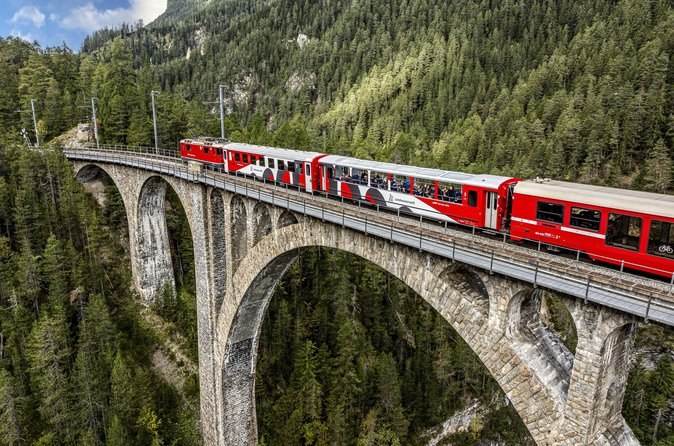
The short answer. The Bernina red train day from Milan is an 11-hour round trip by coach and rail, from $89. You cross the Bernina Pass to St. Moritz, have an hour there, then ride a red train down to Tirano in Italy. Choose the Bernina or the Albula option when you book; both carry the train ticket. Seats cannot be reserved, and you need a passport unless you hold an EU or EEA ID card.
From Milan, the Swiss Alps are three hours away by road, and one of Europe's best-known mountain railways runs down the other side. The red train day puts both into one booking. Here is how the day works, and how to choose between the options.
The shape of the day
| Stage | Time | What happens |
|---|---|---|
| Milano Porta Garibaldi to the Alps | About 3 hours | Coach through Lombardy, past Lake Como |
| The Bernina Pass | 30 minutes | Views from the road as you cross |
| St. Moritz | 1 hour | Free time by the lake |
| Red train, Bernina option | About 2 hours | Down by way of Alp Grüm to Tirano |
| Tirano | 45 minutes | Free time in the historic town |
| Coach back to Milan | About 2.5 hours | Arriving in the evening |
The operator can run the day in reverse, train first, when traffic or weather call for it, and external delays can stretch it a little. Plan your evening in Milan loosely.
Bernina or Albula: which option
This is the one choice you make, and it changes half the day.
- Bernina: the red train from St. Moritz over the pass and down to Tirano, with free time in Tirano and a headset so you hear your guide on board.
- Albula: the red train the other way, from St. Moritz to Filisur, through tunnels and spiral loops, with a viewpoint over the Landwasser Viaduct and the illusion coach at Filisur station.
Pick Bernina for the glaciers and the drop into Italy. Pick Albula for the engineering and the viaduct. Both options are in the red train day from Milan, which costs from $89; check the fare of your option on your date before you pay.
The Bernina line
Rhaetian Railway's Bernina and Albula lines have been a UNESCO World Heritage site since July 2008. The railway puts St. Moritz to Tirano at about 2 hours 15 minutes. On the way you pass the Palü Glacier near the top, and close to Tirano the line loops over itself on the Brusio circular viaduct to lose height.
This is not the Bernina Express. That is Rhaetian Railway's panoramic service, with its own carriages and seat reservations, sold separately. Your day rides a regular red train on the same line. The famous "196 bridges and 55 tunnels" figure belongs to the Bernina Express's full route from Chur, not to the stretch from St. Moritz.
St. Moritz in one hour
An hour goes quickly. Your guide tells you where and when to meet for the train. Choose one thing and do it well: a walk along the shore of the lake, or a climb into the town for its streets and shop windows. Trying to do both leaves you watching the clock.
If you want food, buy it here. The itinerary has no meal stop, and Tirano's 45 minutes are short too. Something you can eat on the move is the simplest lunch of the day.
Booking: dates, twins and pay-later
The Milan day is marked as likely to sell out, so book as soon as your date is fixed. You can reserve now and pay later, and cancel free up to 24 hours before the start. The same operator sells the day on a second booking site as the St. Moritz and red train day from Milan, for up to 60 travellers and about 2 hours 20 minutes on the train; compare the two fares for your date and take the lower.
Coming from further afield? The visitor guide explains how the mountain fares work across Switzerland, and the Swiss Alps map shows where the tours in the Jungfrau region meet.
Why your seat cannot be reserved
Seats on board the carriage cannot be reserved in advance, so your group boards with everyone else. Sit where you find room and move to the window when you can. First class is not in the fare.
Passports and the border
The day crosses from Italy into Switzerland and back. EU and EEA citizens may use a national ID card. Everyone else, including travellers from the USA, the UK, Canada and Australia, needs a valid passport, and a visa if their nationality requires one. Carry it all day: you are on the Swiss side for most of it.
What to bring, and what to leave
- Your travel document, checked the night before.
- Food and water: meals are not in the fare, and an hour in St. Moritz is short for a sit-down lunch.
- Comfortable walking shoes: the day involves a fair amount of walking.
- A light bag only: luggage, large bags and strollers are not allowed.
- A warm layer: St. Moritz is high in the Engadin and cooler than Milan; see mountain weather by month.
Is it worth it?
If you are in Milan and want one day in the Swiss Alps, yes: the fare carries the train, and the price is the lowest of any Swiss Alps day we list. It is not a day in the high mountains of the Jungfrau region. For a summit, a glacier and the cogwheel train, you need to be in Zurich or Interlaken, and the Jungfraujoch day from Zurich is the one to read about. What else the Alps hold is on things to do in the Swiss Alps, and passes are on rail passes on the mountains.
Where these facts come from
Other rail days in the Alps
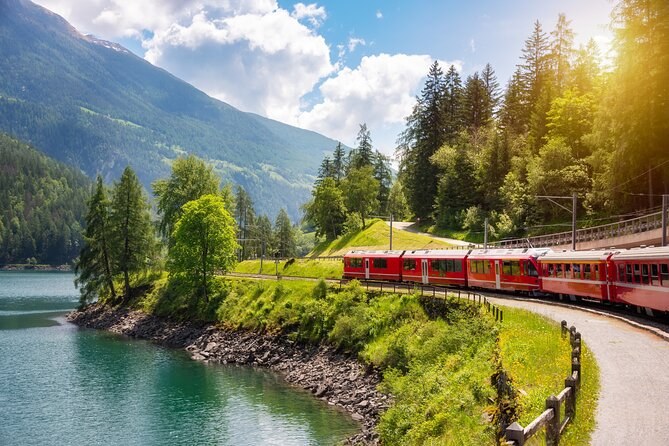
St Moritz & Swiss Alps Day Trip with Bernina Red Train from Milan
The Milan red train day on another booking site, for up to 60, with about 2 hours 20 minutes on the train.
From $91 per person
Check Availability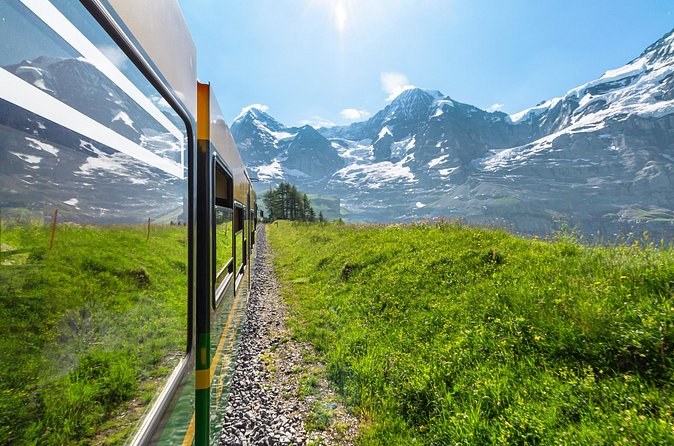
Grindelwald -Kleine Scheidegg-Lauterbrunnen Small Group Day Trip
Seven hours by train for up to 15: Grindelwald, two hours at Kleine Scheidegg, Wengen and the valley, second class in the fare.
From $412 per person
Check Availability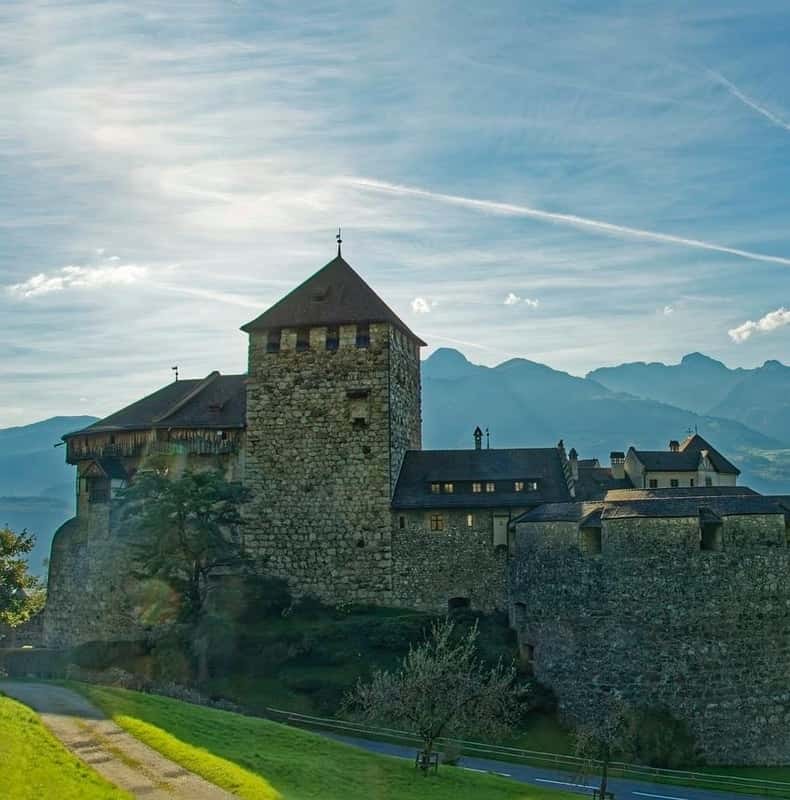
Zurich: 4 Countries in One Day Private Tour
A private day from your Zurich hotel through four countries, with road tolls, parking and water in the fare.
From $301 per person
Check AvailabilityNext: Stand on the glacier instead with Jungfraujoch, Schilthorn or Titlis?, or dress for the height with what to wear on the Jungfraujoch. Every summit, train and valley day sits side by side on Swiss Alps Tours.